Domaine Guillot-Broux
Bourgogne “Les Geniévrières” 2019
Bourgogne
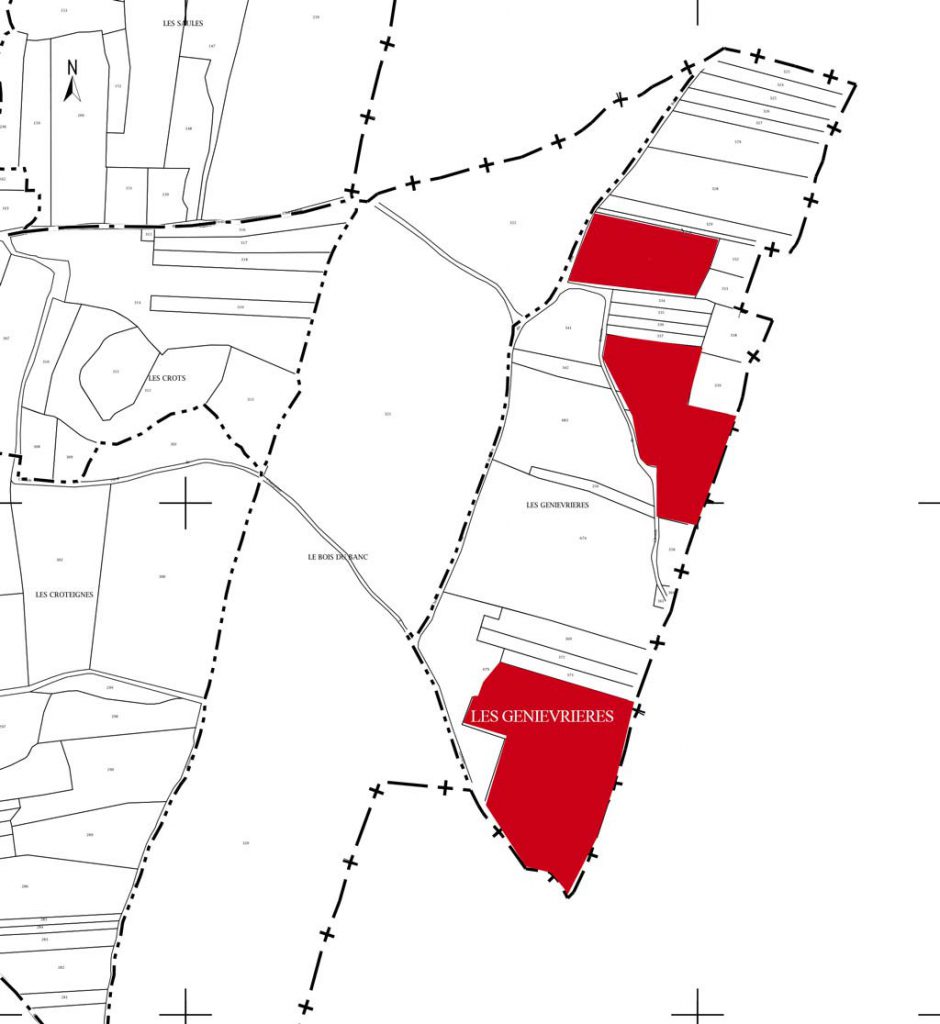
Situated on the same terroir as the white wine of the same name, the Pinots in the Genièvrières have been planted in three different places: two on quite shallow soil cover, bringing structure to the wine; and the third on terraces that have more soil cover, giving a fruitier side to the wine. The wines from these three areas are blended into one cuvee, Les Genièvrières Rouge. This wine has the elegance and minerality to warrant being aged.
Vineyard
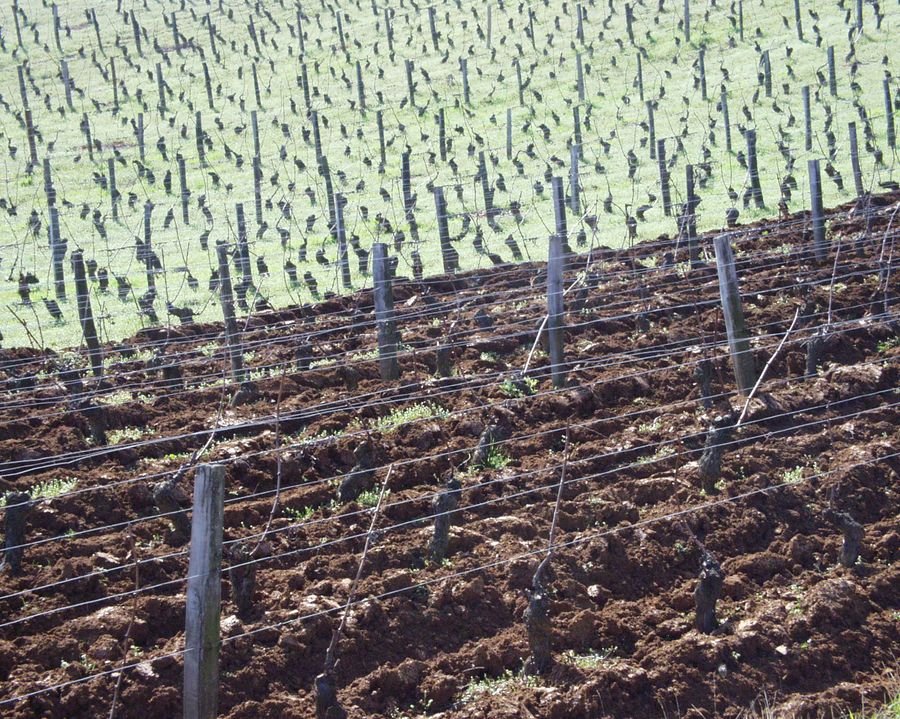
The high planting density increases competition among the vines and means that the juice in each grape is more concentrated. The key is to have few grapes per vine naturally, to increase the concentration of flavors and the balance of the wine. The pruning methods employed (Guyot Simple for the whites; Cordon de Royat for the reds) also help reach this goal.
Winemaking
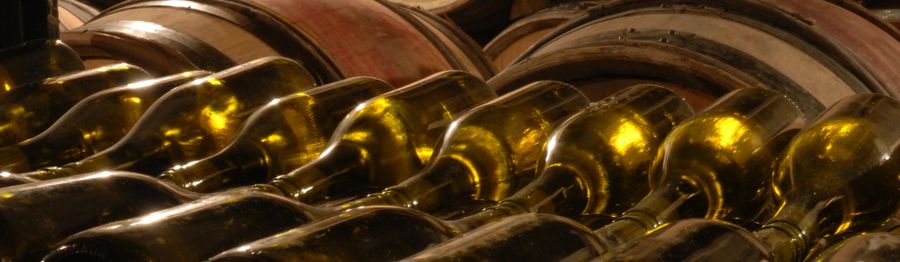
Each terroir is vinified separately, using the methods best adapted to the grape variety, the soil, the vintage and the age of the vines. Grapes are handpicked, and then sorted in the vines before going to the winery, allowing for selection of only the healthiest grapes with the right maturity. By controlling the yields, between 30 and 55 hectoliters a hectare, there is a strong emphasis for quality rather than quantity. The red wines may or may not be de-stemmed, depending on the vintage, before being put into vats for alcoholic fermentation. There is no addition yeasts, sulphites nor chaptalization techniques. The fermenting grapes are punched down twice a day until fermentation is finished, which usually takes around three weeks. The wine is then transferred to oak barrels, where the malolactic fermentation takes place. Most of the wines are matured for eleven months in barrels.
Food Pairing
The chef Ulli Sorarui and the sommelier Karl Mair at the restaurant Pretzhof in Vipiteno, Italy, raise their own pigs. The meat proposed is speck from different parts of the pig. After being smoked, the speck is aged for 15 to 20 months in the cellar.
Color
Red
Appellation
Bourgogne
Farming
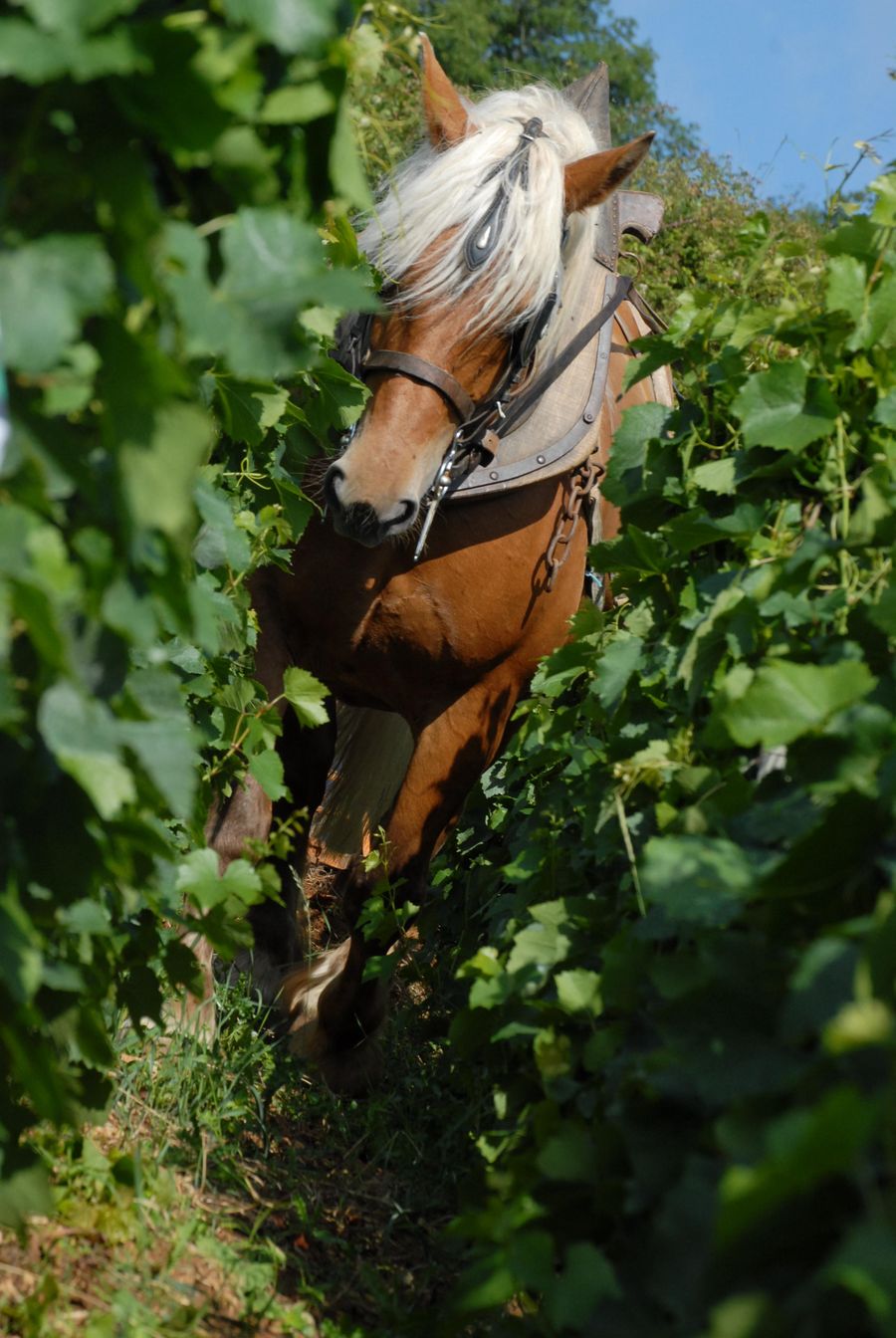
Domaine Guillot-Broux has been certified organic since 1991. Methods include ploughing, and use natural methods of fighting parasites (green manure, organic fertilizers, and mineral sprays with stable active molecules that leave no residues in the wines).
Reviews
"Lively acids and powdery tannins"

Wine Advocate (90+) - August 19, 2021
"The 2019 Bourgogne Pinot Noir Les Geniévrières unwinds in the glass with notes of peonies, sweet red berries and plums. Medium to full-bodied, deep and sapid, with lively acids and powdery tannins, it concludes with a saline, perfumed finish. This Pinot Noir was vinified with 80% whole clusters and saw 18 months' élevage, and readers should plan on forgetting it in the cellar for a few years, as it's built to age." - W.K.
Other Wines by this Producer
Maison Guillot-Broux Mâcon-Rouge
Mâcon Rouge
This cuvee is a blend of several old Mâconnais vineyards. The wine is vinified in concrete vats, using indigenous yeasts. Part of the harvest is de-stemmed to bring a bit more finesse and elegance to the cuvee. The limestone terroirs give it its minerality and freshness; the granite terroirs, hints of camphor and dark fruits.
Bourgogne “La Myotte”
Bourgogne
This vineyard is situated on a slope in Cruzille that was known historically for its reds. La Myotte is quite a cold terroir where the flowering period is often difficult, and the grapes ripen late. This leads to excellent wines in warmer years. La Myotte is on the same terroir as Beaumont (planted with Gamay), but planted with Pinot Noir. It is very interesting to be able to compare the two.
Mâcon-Cruzille “Beaumont"
Mâcon Cruzille
This vineyard is east facing, as are all of the vineyards in Cruzille. It is situated mid-slope, with 10,000 plants/hectare, and the soil is Bathonian clayey-limestone. On this rich soil, it is important to rein in the vines in order to let the grapes reach the right maturity. They use the short pruning method en cordon Royat for all the Gamay vines on the estate, to restrain the natural vigorous growth of this grape variety. Grown on the clayey limestone soils of the Mâconnais, this wine has very particular peppery and spicy notes. Beaumont is an emblematic cuvee of the Domaine, a real Gamay with a Burgundy style.
Mâcon-Cruzille “Le Clos de la Mollepierre”
Mâcon Cruzille
This is the Domaine's newest terroir, and they believe it will be one of the best. When they bought this plot for less than 800€, it had been abandoned since the phylloxera crisis. The clos, surrounded by a dry stone wall nearly two meters high, was originally owned by the Abbey of Cluny. It took nearly ten years to get the land ready for planting: The soil had to be prepared and the vineyard adapted to tractor use, all while ensuring they kept the walls! The replant started in 2011 and in 2015 the vineyard produced the first vintage. It is already as mineral and complex as Les Perrières, and will no doubt be an exceptional wine in years to come.
Mâcon-Cruzille “Les Perrières”
Mâcon Cruzille
This vineyard is very picturesque, with its three terraces supported by dry-stone walls, surrounded by woods. The soil is very stony, hence the name ‘Les Perrières’ (the stony place). It is composed of oolitic limestone (microscopic fossils) and is very rich in iron and manganese. The wines are particularly suitable for ageing (20 to 30 years for the best vintages).
Mâcon-Cruzille “Les Molières”
Mâcon Cruzille
Les Molières is situated in the village of Grevilly (one of the three villages that make up the appellation of Cruzille) and is oriented south-west. The soil is mainly red marl, on a bedrock of thick limestone. What makes Les Molières special is that it was planted (in 1936) with a variety of Chardonnay known as Chardonnay Muscaté, an old cross between Chardonnay and small-berried Muscat de Rivesaltes. The wine is always very aromatic thanks to the influence of the Muscat grape, but also saline and mineral because of the strong limestone terroir. It is the oldest vineyard of the Domaine.
Mâcon-Chardonnay “Les Combettes”
Mâcon Cruzille
Although there is only a path separating Les Combettes from Les Genièvrières, the two terroirs are radically different. Les Combettes is very mineral, with a crispy bite. The wine is often more concentrated than Les Geniévrières, and it needs more time to come into its own. The appellation of Les Combettes is Mâcon Chardonnay (from the name of the village the vineyard is situated in, not the grape variety), and, thanks to the limestone bedrock having collapsed more than in Les Genièvrières, the vineyard is slightly more south facing, and is therefore warmer and the grapes ripen earlier. This, coupled with the low-yielding varieties of Chardonnay planted here, mean that the wines are always a little more rounded than Les Genièvrières.
Mâcon-Cruzille “Les Geniévrières”
Mâcon Cruzille
Abandoned after the phylloxera crisis, this vineyard was cleared and replanted by Emmanuel’s father, Jean-Gérard in 1983. Aiming for quality, he decided to use low-yield rootstock, high planting density, Guyot Simple pruning and, of course, organic methods. This brings about a natural control of yield and optimum maturity. The Bathonian clay and limestone soils give the wine its distinct minerality.
